Most searched
Magnetic Closures
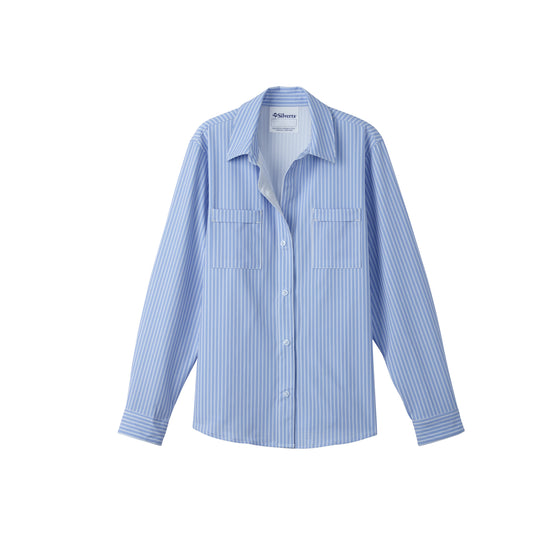
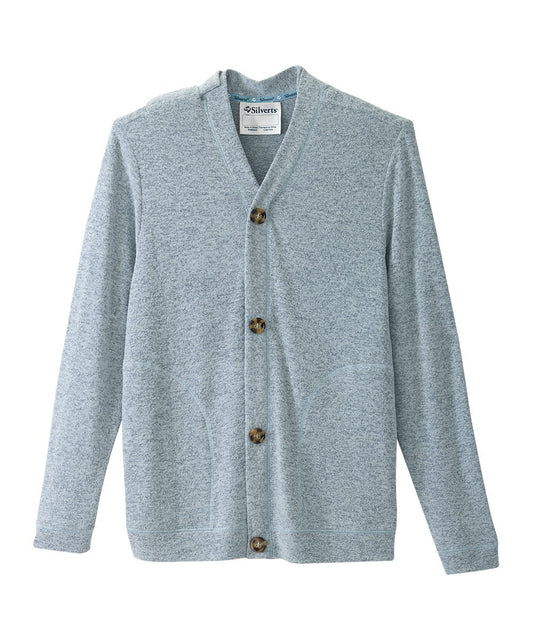
Buttons that close themselves. The least grip strength of any closure, with a classic button-front look.

Find clothing by how it fastens, opens or pulls on. Every feature here is built for easier dressing, whether you dress yourself or help someone else.
Most searched
Buttons that close themselves. The least grip strength of any closure, with a classic button-front look.

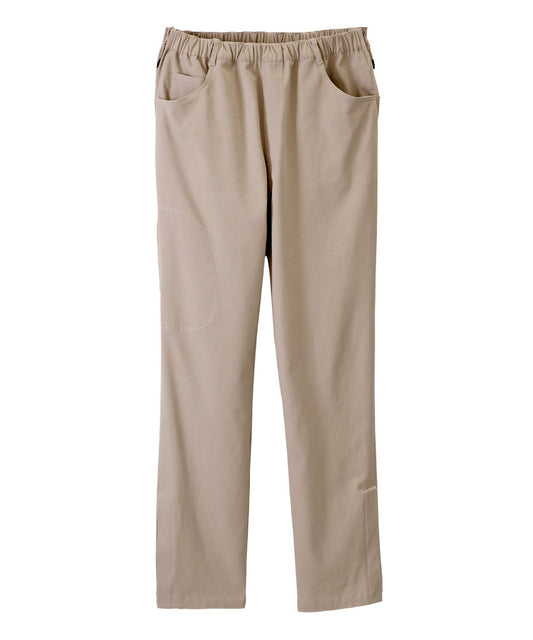
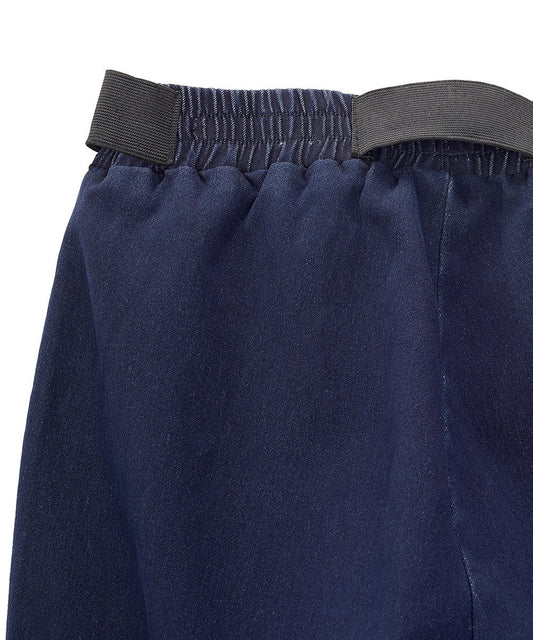
No zippers or buttons at the waist. Pull on and go.

Dress someone seated or lying down, no arms overhead.

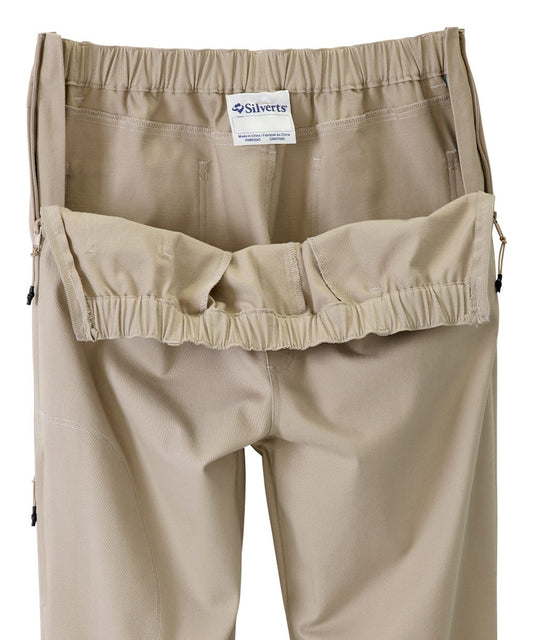
Pants that open fully at the side for seated dressing, casts and catheter access.

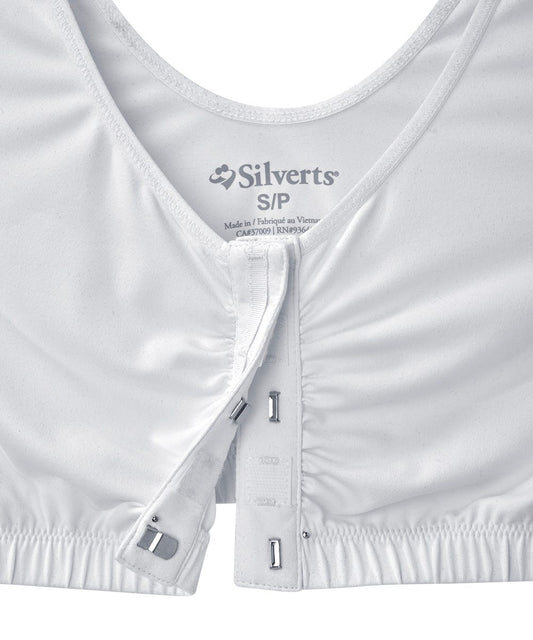
Secure, magnet-free closures. Good with medical devices.

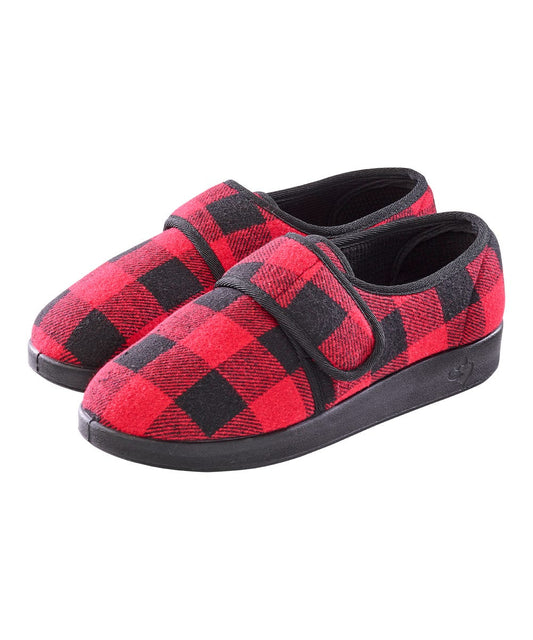
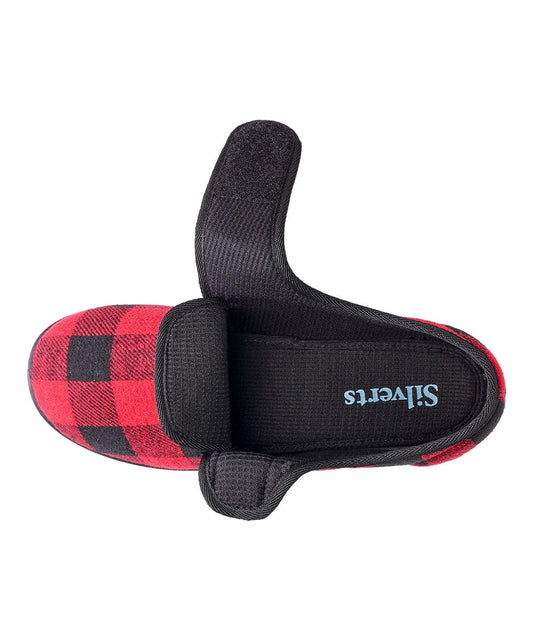
Touch-close straps, wide openings and room for swelling.

Back-zip jumpsuits and sleepers that stay on, with dignity.

Higher backs, shorter fronts, capes and blankets cut for sitting.
Start with the situation. We will point you to the features that help most.
Closures that need almost no finger strength.
Garments that open flat, so nothing goes over the head.
Magnet-free openings around ports, drains, casts and pacemakers.
Styles that stay on and protect dignity through the day and night.
Shopping for a specific condition? Browse all Shop by Need categories
A quick comparison of the four ways Silverts garments fasten.
| Closure | Grip needed | Lines up by itself | Looks like | Best for | Keep in mind |
|---|---|---|---|---|---|
| Magnetic | Lowest | Yes | Regular buttons | Arthritis, one-handed dressing, tremor | Ask a physician if a pacemaker or ICD is fitted |
| Snaps | Low | No, but forgiving | Snap shirts, pyjamas | Post-surgery, medical devices, caregivers | Needs a press; can be firm on new garments |
| Easy-Touch (Velcro) | Low | Yes | Adjustable straps | Swollen feet, braces, adjustable fit | Lint can reduce hold over time; close before washing |
| Zipper (side or back) | Moderate | Yes | Classic jeans and pants | Seated dressing, casts, catheter access | Look for pull loops and magnetic zip guides |
The adaptive features customers are choosing most this month.
Adaptive clothing looks like the clothes people already own. The difference is in how it opens. Magnetic buttons replace fiddly buttons with hidden magnets that find each other. Open back tops and open-side pants unfasten flat so a caregiver can dress someone who is seated or in bed. Elastic waists remove the zipper and button at the waist altogether. Easy-touch straps on shoes and slippers open wide for swollen feet and close with one hand.
Most people use more than one feature. A common combination for someone with arthritis is a magnetic shirt with elastic-waist pants and easy-touch shoes. For assisted dressing in a care setting, open back tops with open-side pants let staff dress a resident in half the time with far less lifting. If you are choosing for a specific condition such as stroke recovery, dementia or post-surgical care, our Shop by Need pages group the right features for each.
Every Silverts garment is designed in-house for real bodies and real routines, machine washable, and available in women's and men's sizes from small to 3XL, with petite and extended sizes on many styles.
Adaptive clothing looks like everyday clothing but is built with features such as magnetic buttons, open backs, side zippers and elastic waists that make dressing easier for people with limited mobility, dexterity or strength, and for the people who help them.
Magnetic closures need the least grip strength. Elastic-waist pull-on pants and easy-touch footwear are the usual companions.
Open back tops and open-side pants let a caregiver dress someone without lifting arms overhead or standing them up.
People with pacemakers, ICDs or other implanted devices should consult their physician first. Snap-front, open-back and easy-touch styles offer similar ease without magnets.
Buying for a care home or hospital?
Everyday-value open back, snap and pull-on basics chosen for facility laundry and daily assisted dressing. Volume pricing available.